Introduction
In the realm of auto repair, one may encounter various categories of services tailored to specific vehicle types. Among these, European auto repair stands as a distinctive branch that requires particular expertise and knowledge, contrasting sharply with general auto repair services. This article delves into the intricacies of European auto repair versus general auto repair, examining the unique requirements of European vehicles, the defining features of general auto repair, and the pivotal differences between the two. By understanding these distinctions, vehicle owners can make informed decisions regarding their automotive care.
Understanding the Importance of Specialized Auto Repair
Automobiles have evolved significantly over the decades, leading to a plethora of makes and models, each with its unique set of challenges, maintenance needs, and repair requirements. Specialized auto repair shops have emerged to cater to these specific demands, ensuring that vehicles receive the best possible care. Specialized repair services not only enhance performance and safety but can also extend the lifespan of the vehicle. This necessity is particularly evident in the case of European vehicles known for their engineering complexity and sophisticated technology.
Overview of European Auto Repair
European auto repair involves a specialized approach to servicing vehicles manufactured in Europe, such as Audi, BMW, Mercedes-Benz, Volkswagen, and others. These vehicles often incorporate advanced technologies, intricate systems, and premium-quality components that require mechanics to possess in-depth training and experience. Additionally, European cars frequently come with unique diagnostic systems that may not be present in domestic or Asian vehicles, necessitating specialized tools and equipment for effective repair and maintenance.
What is European Auto Repair?
Defining European Auto Repair Services
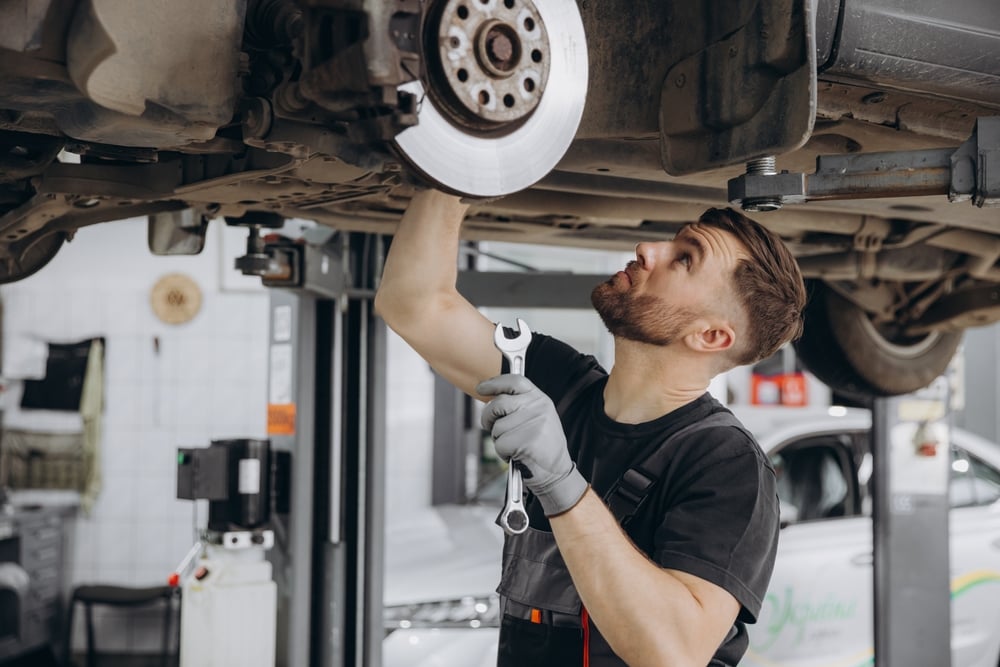
European auto repair services encompass a wide range of maintenance and repair tasks specifically designed for European car brands. This could include routine services such as oil changes, brake replacements, tire rotations, and engine diagnostics. However, it also involves more complex repairs related to suspension systems, electrical issues, and performance enhancements. European auto repair specialists often have access to OEM (Original Equipment Manufacturer) parts to ensure that all repairs meet the original specifications of the vehicle.
Common European Car Brands and Their Unique Needs
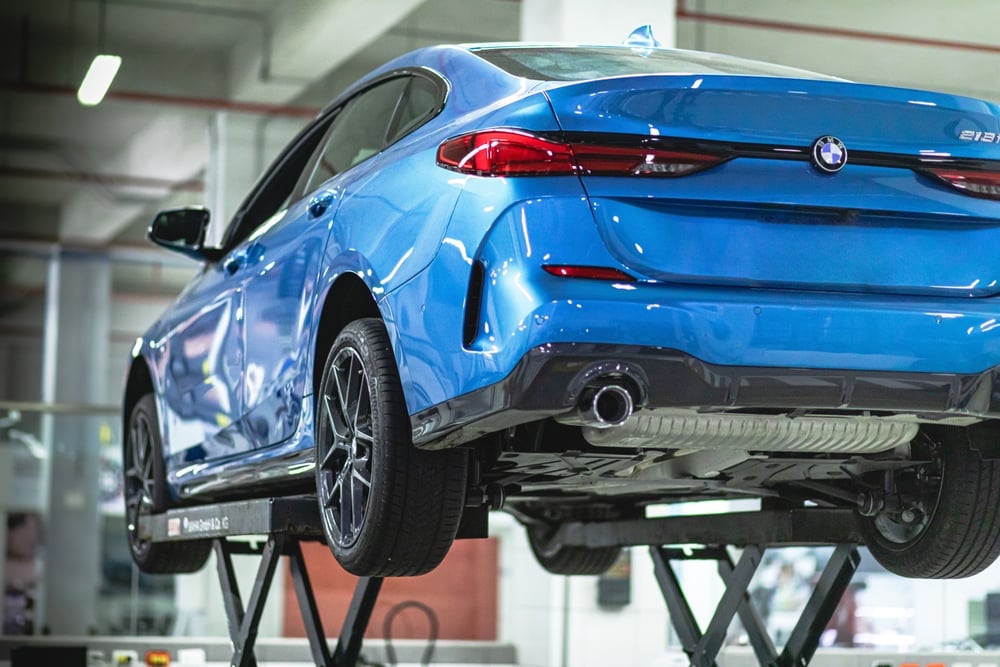
Some of the most prominent European car brands include BMW, Mercedes-Benz, Audi, Porsche, and Volvo. Each brand has its own unique engineering and technological attributes that must be understood by repair technicians. For instance, BMW vehicles often feature complex electronic systems, while Audi vehicles may have advanced all-wheel-drive technology. Understanding the specific requirements of each brand allows mechanics to provide tailored services that enhance the vehicle’s performance and longevity.
Emphasis on Specialized Knowledge and Training
The intricacies of European vehicles necessitate that technicians undergo extensive training and certification. Many repair facilities focus exclusively on European models, ensuring their staff is well-versed in the latest technologies and repair techniques. Mechanics often participate in ongoing educational programs to stay updated on changes in technology and service protocols, which is crucial in maintaining the integrity of high-performance European vehicles.
What is General Auto Repair?
Defining General Auto Repair Services
General auto repair refers to a broader category of automotive services that cater to a variety of vehicle makes and models, including domestic and Asian brands like Ford, Honda, and Toyota. General auto repair shops typically perform a wide array of services-from routine maintenance tasks to more significant repair jobs. The versatility of these services allows them to address common car issues that many vehicle owners encounter irrespective of the brand.
Common Domestic and Asian Car Brands
Domestic brands, such as Ford and Chevrolet, along with Asian manufacturers like Honda and Toyota, dominate the automotive market. These vehicles generally have less complex engineering than many European counterparts, allowing general mechanics to service them with a standard set of tools and diagnostic equipment. Additionally, the parts for these vehicles are often more readily available and less expensive, making general auto repair shops a convenient option for the average vehicle owner.
Generalist Mechanic Skills and Training
Mechanics in general auto repair facilities typically receive training on a wide range of vehicle types and systems. While they may not have the specialized knowledge that European mechanics possess, they are often proficient in diagnosing and repairing common issues across various makes and models. General mechanics rely on a broad set of skills, allowing them to perform a variety of tasks that can range from oil changes to transmission repairs.
Key Differences Between European Auto Repair and General Auto Repair
Technical Expertise and Training
One of the most significant differences between European and general auto repair lies in the technical expertise required. European vehicles often feature advanced technologies and specialized components that necessitate mechanics to undergo specialized training. These training programs focus on the unique systems found in European cars, ensuring that technicians can accurately diagnose and repair complex issues. In contrast, general auto repair mechanics may not have the same depth of knowledge on these specific systems, potentially leading to inadequate repairs.
Tools and Equipment Used
The tools and equipment utilized in European auto repair often differ substantially from those found in general auto repair shops. European vehicles require specialized diagnostic tools that can communicate with their onboard computers, which may not be available in a standard repair shop. Additionally, many European models have unique parts that require specific tools for installation and removal, further emphasizing the need for specialized equipment in European auto repair facilities.
Parts Availability and Sourcing
Parts availability is another critical factor that distinguishes European auto repair from general auto repair. European car manufacturers often use OEM parts, which are specifically designed for their vehicles. These parts can be more expensive and harder to source than typical aftermarket parts found in general repair shops. Conversely, general mechanics often have access to a wider variety of parts for domestic and Asian vehicles, allowing them to provide faster service at potentially lower costs.
Diagnostic Methods and Technology
Diagnostic methods also vary considerably between European and general auto repair. European vehicles often incorporate sophisticated onboard diagnostic systems that require specialized software and equipment to interpret. Mechanics at European repair shops are trained to utilize these advanced diagnostics, enabling them to pinpoint issues that may not be evident through standard diagnostic methods. General auto repair shops may not have access to the same level of diagnostic technology and may rely on more traditional methods, which can lead to longer repair times or misdiagnosed problems.
Service Standards and Quality Assurance
Service standards and quality assurance practices in European auto repair are typically more stringent than those found in general auto repair. European manufacturers have rigorous quality control measures in place, and repair shops that specialize in these vehicles often adhere to similar high standards. This commitment to quality ensures that customers receive the best possible service and that their vehicles perform optimally. General auto repair shops, while often capable and serviceable, may not have the same structured quality assurance processes, potentially leading to a variance in service quality.
The Cost Factor: European Auto Repair vs. General Auto Repair
Understanding Cost Structures in Auto Repair
The cost of auto repair varies widely based on several factors, including the type of vehicle, the complexity of the repair, and the expertise of the mechanic. European auto repair is generally more expensive than general auto repair, primarily due to the specialized knowledge required and the cost of OEM parts. Vehicle owners should be prepared for higher labor rates and costs associated with sourcing European parts, but they may find that the quality of service justifies the expense.
Labor Costs and Skill Premiums
Labor costs in European auto repair shops tend to be higher than in general auto repair facilities. This difference reflects the specialized training and expertise that technicians possess, as well as the greater complexities involved in working on European vehicles. Vehicle owners may find that the investment in specialized labor pays off through improved performance and longevity of their cars, mitigating the potential for more costly repairs down the line.
Parts Pricing: European vs. General
The cost of parts is another area where European auto repair and general auto repair diverge. OEM parts for European vehicles can be significantly more expensive than aftermarket parts used for domestic and Asian brands. This higher cost can contribute to the overall expense of repairs at European auto shops. However, many vehicle owners choose to invest in these parts to ensure optimal performance and reliability, especially for high-performance European models.
When to Choose European Auto Repair
Signs Your European Vehicle Needs Specialized Care
Identifying when a European vehicle requires specialized care is essential for maintaining its performance and longevity. Signs that may indicate the need for European auto repair include unusual noises from the engine or transmission, warning lights on the dashboard, issues with the vehicle’s handling, or a decrease in fuel efficiency. Additionally, if you notice electrical problems or persistent warning lights, it can be a sign that specialized diagnostics are required.
The Benefits of Choosing a European Auto Repair Specialist
Choosing a specialist for European auto repair offers several benefits. These specialists are equipped with the knowledge and tools necessary to handle the unique challenges posed by European vehicles. They can provide higher-quality repairs, access OEM parts, and often have streamlined processes for identifying and resolving issues quickly. Furthermore, having your vehicle serviced by a qualified European mechanic can help preserve its resale value, as potential buyers often look for documented service history from reputable specialists.
Long-Term Maintenance Considerations
Investing in specialized European auto repair is not merely a short-term solution but a long-term maintenance strategy. Regular maintenance and timely repairs can prevent more significant issues from arising, ultimately saving vehicle owners money over time. Establishing a relationship with a specialized European repair shop allows owners to receive personalized service, keeping their vehicles in optimal condition while also addressing specific needs as they arise.
Advantages of General Auto Repair for Non-European Vehicles
Convenience and Accessibility
For owners of domestic and Asian vehicles, general auto repair shops provide a convenient and accessible option for maintenance and repairs. These shops are often more widespread than specialized European repair facilities, making it easier for vehicle owners to find a nearby location. Additionally, generalists may be able to accommodate walk-in customers and provide faster turnaround times for routine service tasks.
Cost-Effectiveness for General Maintenance
General auto repair is generally more cost-effective for routine maintenance and repairs on non-European vehicles. Since parts for domestic and Asian cars are typically less expensive and more readily available, vehicle owners can often save on repair costs. General mechanics, having experience with a wide variety of vehicles, can also handle many common issues without the need for specialized training or tools, resulting in lower labor rates.
Broader Service Offerings for Various Vehicles
General auto repair facilities often provide a broader range of services that cater to various makes and models. This versatility allows them to work on everything from simple oil changes to more complex repairs. Vehicle owners who own multiple cars of different brands can benefit from bringing all their vehicles to one shop, simplifying their maintenance routine and ensuring consistent service across their fleet.
Conclusion
Understanding the difference between European auto repair and general auto repair is critical for vehicle owners seeking the best care for their vehicles. While European auto repair requires specialized knowledge, tools, and parts, general auto repair serves a wider audience and is often more accessible and cost-effective for non-European vehicles. Ultimately, the choice between the two depends on the specific needs of the vehicle and the owner’s preferences.
Vehicle owners should prioritize quality and expertise when making decisions regarding auto repair services. Each type of repair has its place, and understanding the nuances can lead to better maintenance and care for your vehicle. Whether you own a high-performance European automobile or a reliable domestic car, ensuring you choose the right service provider is crucial for your vehicle’s longevity and performance. When you’re ready to talk to a European auto repair specialist contact us at Rennstahl today!
More Articles

Introduction As summer approaches, the importance of a well-functioning air conditioning (AC) system in your [...]

Introduction When it comes to maintaining your prized BMW, finding the right repair shop is [...]
Introduction Brake maintenance is an essential aspect of vehicle ownership, especially for luxury vehicles like [...]